
Industrialised construction: how prefabrication is reshaping the future of building sites
Lingl has developed Prefab, a specialist plant solution for manufacturing prefabricated wall and façade modules that integrate structural elements, insulation and clay brick slips.
The construction industry is undergoing a profound transformation. Faced with rising cost pressures, labour shortages and the need for faster project delivery, industrialised construction – also known as serial construction – has become a key driver of more efficient and reliable building processes. In the façade sector in particular, prefabrication is no longer a niche solution but a significant competitive advantage.
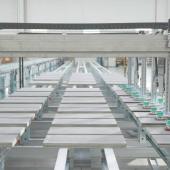
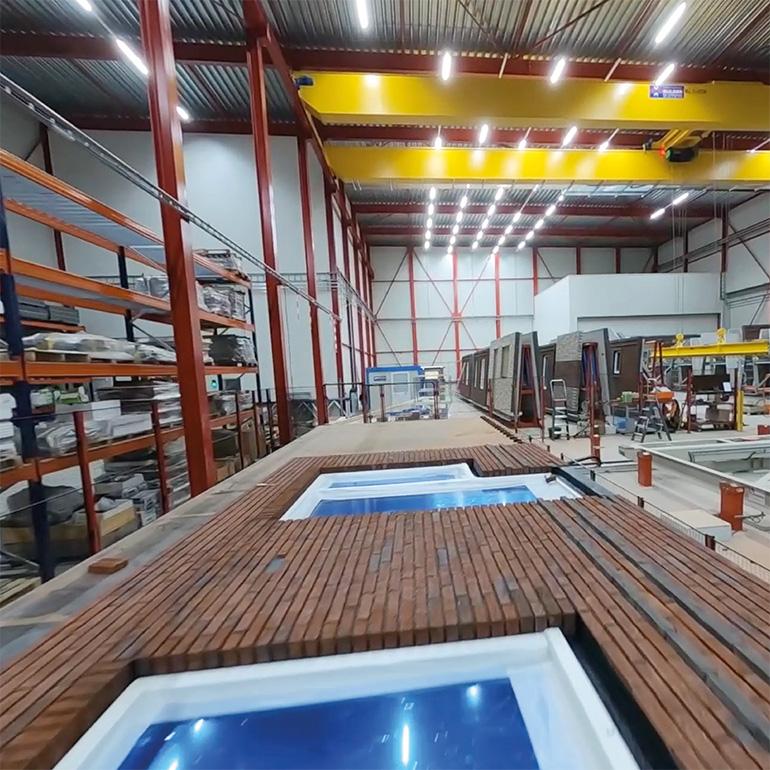
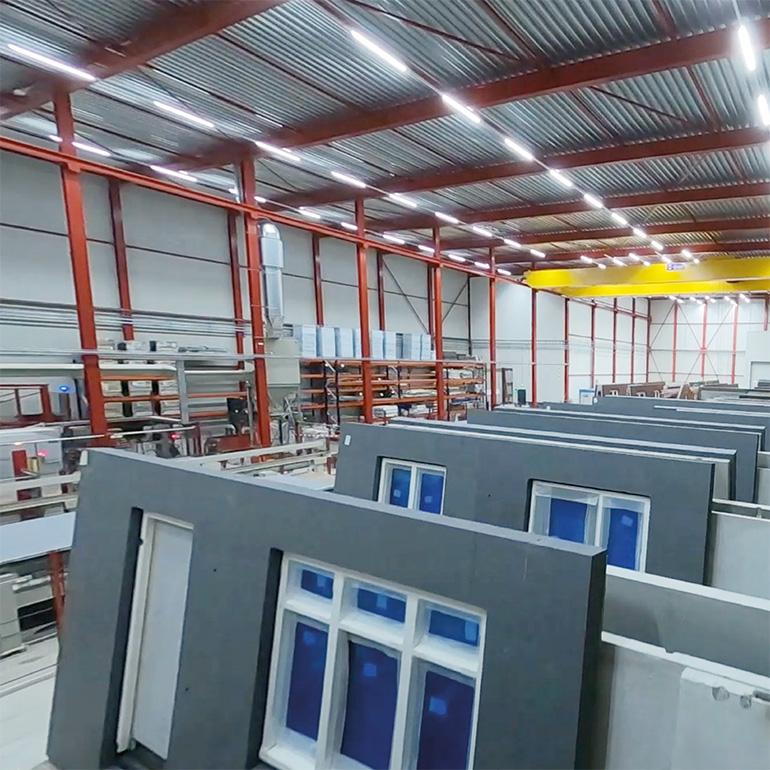
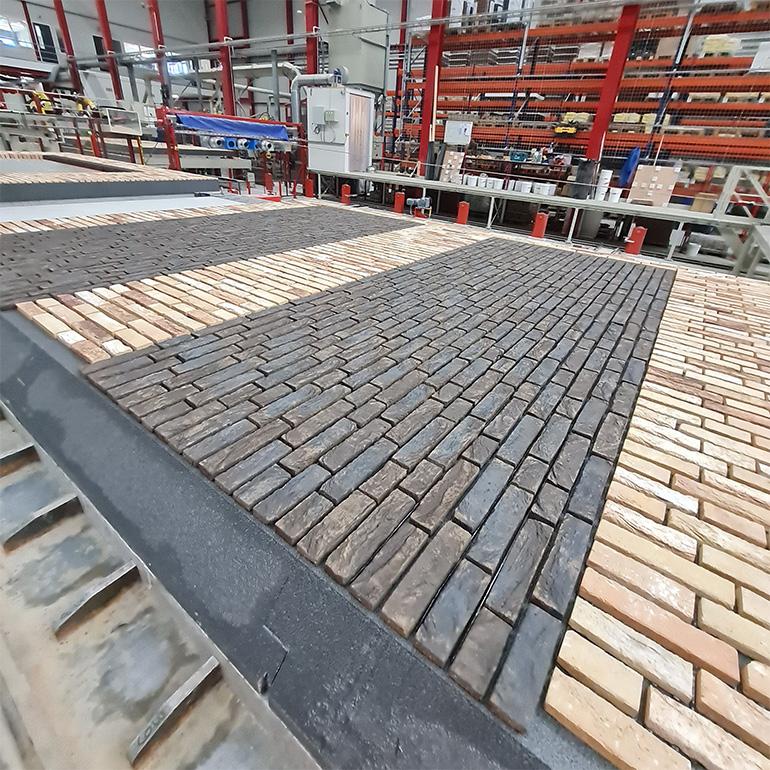
At LINGL, this shift is driven by integrated PREFAB technologies that combine structural elements, insulation and cladding into a single industrialised process. Prefabricated wall modules, consisting for example of concrete backing panels, EPS insulation and clay brick slips, are manufactured under controlled factory conditions and delivered to the building site ready for installation. Full BIM compatibility allows module parameters and production data to be transferred directly from the digital model to the production line, reducing planning errors and ensuring a smooth transition from design to delivery.
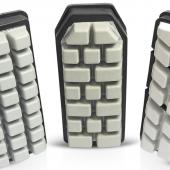
Alongside the well-known benefits of speed and quality, modern serial production also offers significant technical advantages. Automated brick slip application systems can achieve outputs of up to 2,000 units per hour while maintaining consistently high placement accuracy. CAD-based control allows complex bond patterns, varying formats, multiple thicknesses and bespoke colour combinations to be produced without compromising repeatability or process efficiency.
Large-format façade elements measuring up to approximately 4x12.5 metres can also be manufactured complete with precise structural detailing around openings, reveals and special geometries. This level of prefabrication significantly reduces on-site work and the risk of errors, ensuring predictable project schedules. Integrated insulation systems further improve energy performance and help ensure compliance with the latest building standards.
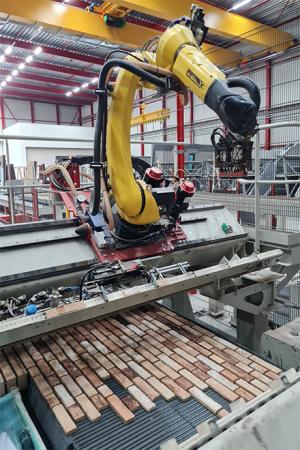
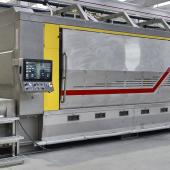
The practical potential of this approach is demonstrated by one of Lingl’s recent installations: a fully automated production line capable of supplying prefabricated wall modules for up to 1,200 housing units per year.
This development opens up new opportunities for brick and tile manufacturers. Brick slips are no longer simply a finishing material, but an integral component of industrialised façade systems, allowing manufacturers to access prefabrication, system-based construction and large-scale building projects while preserving the authentic appearance and durability of traditional clay brick façades.
Industrialised construction does not mean sacrificing design quality for standardisation. On the contrary, it combines industrial efficiency with architectural flexibility. Through its PREFAB solutions, Lingl enables external walls and façades to be produced more quickly, with high technical precision and using sustainable methods, meeting the demands of modern construction without compromise. Another key advantage is the system’s modular design, which allows manufacturers to start with a tailored initial configuration and progressively expand the plant as their production requirements grow.

Did you find this article useful?
Join the CWW community to receive the most important news from the global ceramic industry every two weeks









Read more