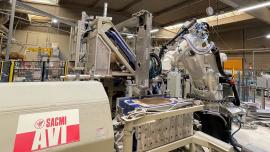
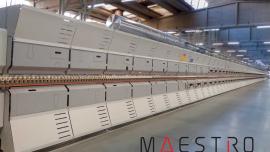
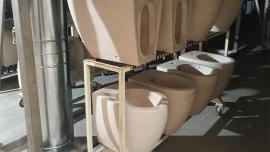
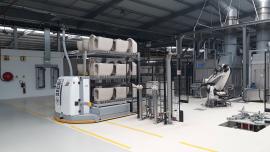
Digitalization and sustainability are the two key drivers that merge with Sacmi’s wider plant engineering logic. The goal: to maximize productivity and versatility as part of a new manufacturing approach that focuses on environmentally and socially sustainable production, but without compromising on quality or aesthetics.
The Swiss group’s sales from January to March grew by 7.8% compared to the first quarter of 2021 to reach CHF 980 million. The Bathroom Systems division was up 5.5%.
Under this motto, Kulzer Technik offers ceramic sanitaryware manufacturers its Kerasys LC products, sustainable solutions to lower production costs, reduce CO2 output, save energy and natural resources.
Duravit’s Chongqing factory has been upgraded with the installation of pressure casting equipment for complex WCs as well as a fourth robot for automatic glazing. The fifth kils was started up in Egypt.
Setec is presenting its new low energy consumption dryer for sanitaryware and tableware. In operation since early 2022, it has exceeded its targets with a drying cycle of under 8 hours, heat consumption of 98 kcal/kg and electricity consumption of 0.003 kWh/kg.
With the recent installation of a new generation plant supervisor at the Tocha factory, Sanindusa’s ambitious modernization plan, started in 2019, has been completed.
The Bangladeshi company is already a longstanding Sacmi customer in the tile sector and with this investment aims to achieve ambitious productivity and quality targets in sanitaryware production
The new Tenagreen binders by Lamberti allows for improving the mechanical characteristics of the cast pieces while having a minimal impact on slip rheology, allowing for rapid and problem-free adoption on existing production lines.
Acimac Research Dept. / MECS updates the yearly analysis of the world ceramic sanitaryware imports/exports flows. In 2020, the first year of the pandemic, global sanitaryware exports suffered a 5% contraction on 2019, a downturn observed in all geographical areas of production.
In the first nine months of 2021, the German group’s consolidated revenue reached €684.5 million, up 24.7% on 2020. Forecasts for the end-of-year 2021 results are for €920 million
The Swiss sanitaryware giant’s revenue rose to CHF 2.69 billion in the first nine months of 2021, up 18.8% on the same period last year and 16.8% on 2019.
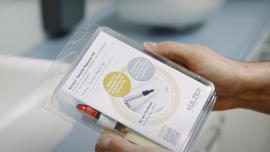
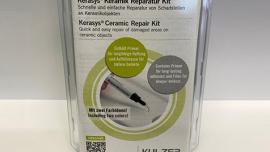
With the new Kerasys® Ceramic Repair Kit, available on the market as of December 2021, consumers will be able to perform minor sanitaryware repairs themselves
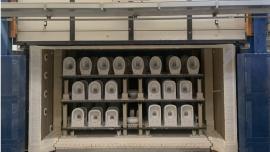
Higher finished product quality and a more sustainable firing process are two of the top priorities of any ceramic sanitaryware manufacturer. But is it possible to achieve both these goals through an effective choice of kiln furniture and accessories?
Be the first to know!
Get the most useful and interesting news from the global ceramic industry in your inbox every two weeks